


Hat names describe shape, purpose, history or material, but they do not always describe all four. A Panama hat is identified by its Ecuadorian toquilla-straw construction, while a fedora is recognized mainly by its creased crown and flexible brim. A baseball cap and a trucker cap share a visor, but their panels and materials differ. Learning these distinctions makes it easier to choose a hat and understand how its construction affects care.
This opening article in the Hat Care Series gives Northridge readers a practical vocabulary for the hats most often worn for everyday shade, casual use, work, travel and dress. It also explains why the label and materials still matter after you identify the style.
Start With the Crown Brim and Visor
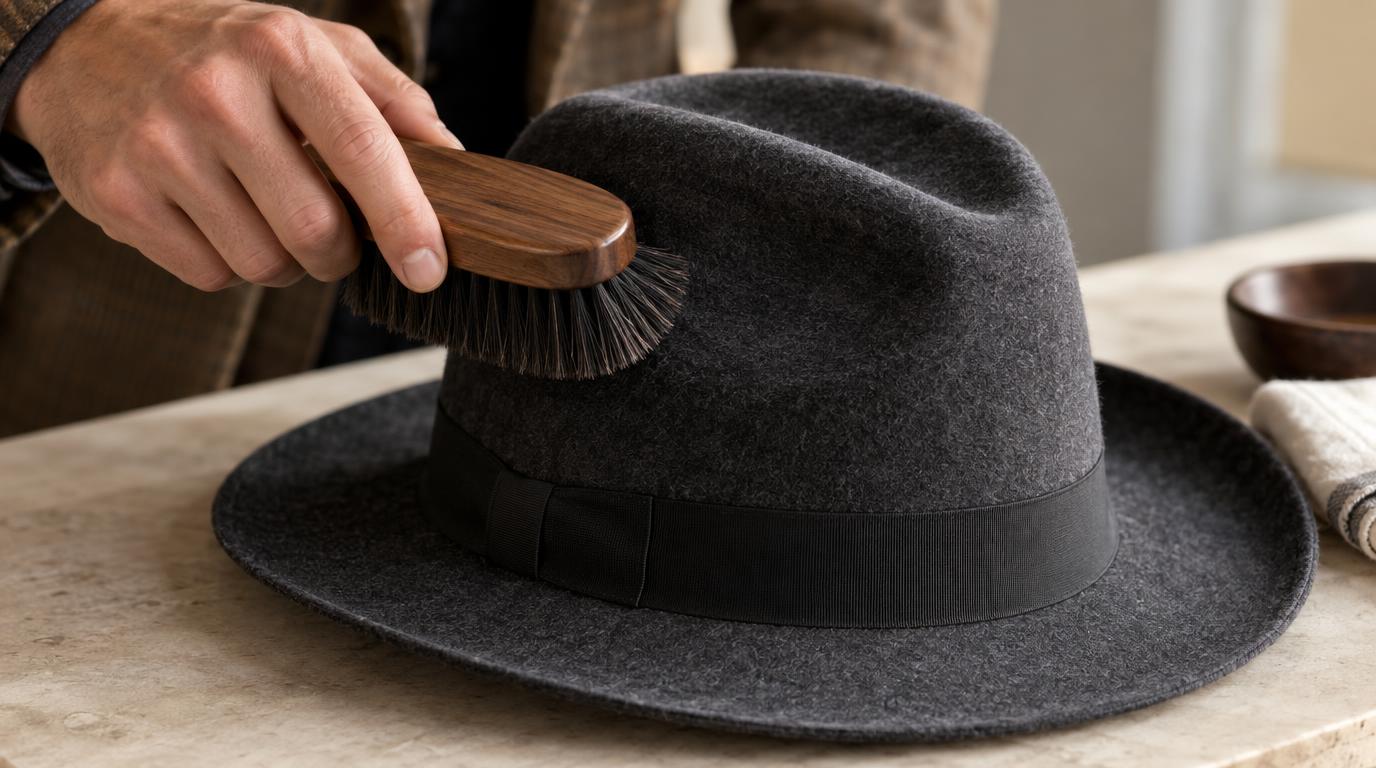
The crown is the part that fits over the head. It may be soft, stiff, rounded, flat, pinched or creased. A brim circles some or all of the crown, while a visor projects from the front of a cap. The width and stiffness of that edge often separate one style from another.
Then look at the profile. A tall Western crown, a low flat-cap body and a round bowler crown are visually distinct even before material enters the picture. Bands, sweatbands, mesh panels, vents, linings and decorative trim provide more clues about use and construction.
Common Hat Types at a Glance
| Hat type | How to recognize it | Common construction |
|---|---|---|
| Baseball or dad cap | Rounded paneled crown with a front visor; dad caps usually have a softer, less structured profile | Cotton, polyester or blends with embroidery and an adjustable or fitted band |
| Snapback or trucker cap | Flat or curved visor with an adjustable snap; trucker styles commonly use mesh back panels | Foam or fabric front panels, synthetic mesh and a plastic closure |
| Bucket hat | Soft downward-sloping brim around the whole crown | Cotton, nylon, canvas or technical fabric; often packable |
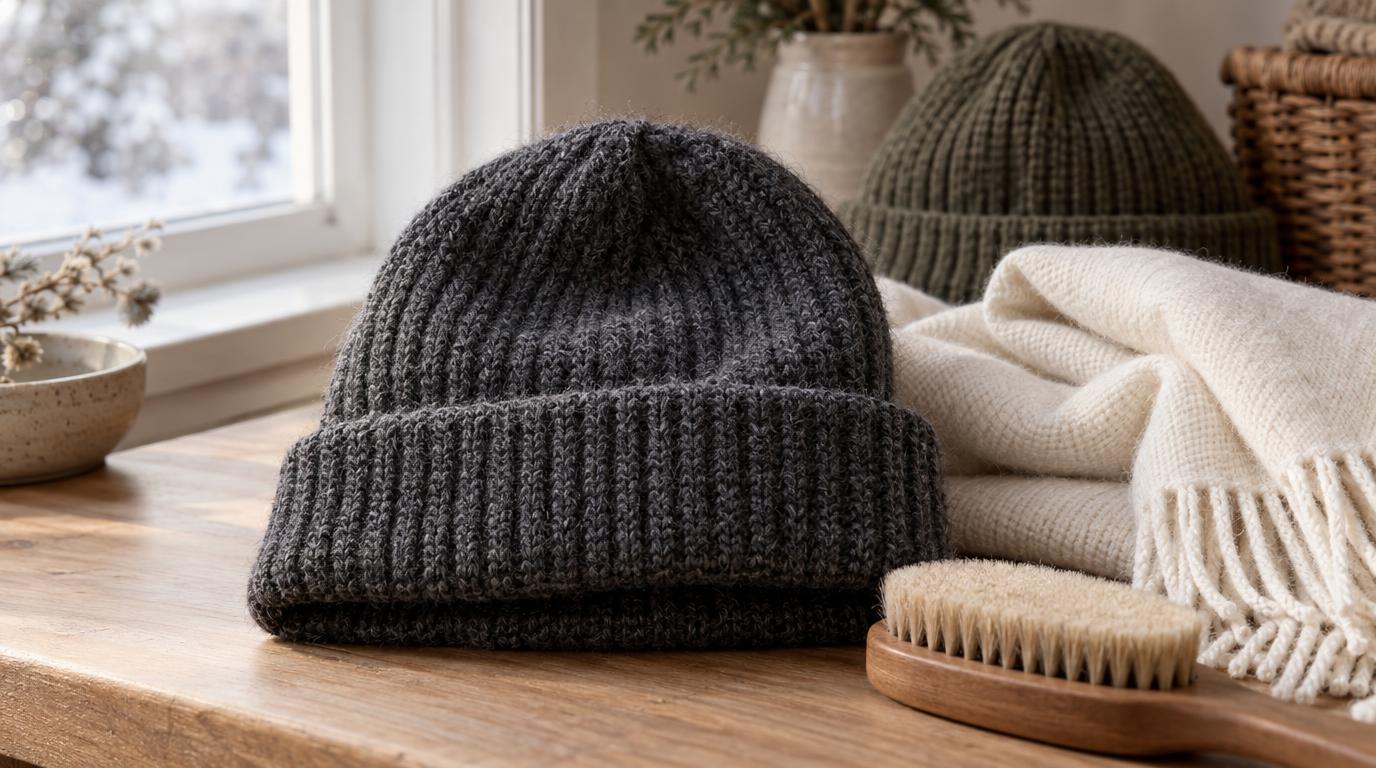
| Beanie | Close-fitting, brimless knit cap, sometimes with a folded cuff | Wool, acrylic, cotton or blended yarn |
| Fedora | Indented crown with front pinches and a medium flexible brim | Felt, straw or fabric with an exterior band and interior sweatband |
| Trilby | Fedora-like crown with a noticeably narrower brim, often down in front and up in back | Felt, straw or cloth in a lighter compact form |
| Panama hat | A shaped hat woven from Ecuadorian toquilla straw, often in a fedora-like profile | Fine natural weave that is blocked and finished into shape |
| Western hat | Tall shaped crown with a wide brim that may curve upward at the sides | Fur felt, wool felt, straw or palm with a firm sweatband |
| Flat cap or newsboy | Low cap with a small front peak; newsboy caps are fuller and commonly paneled with a top button | Wool, tweed, cotton, linen or synthetic blends |
Fedora Trilby and Panama Are Not the Same
The easiest distinction between a fedora and a trilby is the brim. A fedora usually has a wider, softer brim that can be styled in more than one position. A trilby has a narrower brim that is commonly turned down at the front and up at the back. The Detroit Historical Society’s illustrated guide explains these differences through crown and brim construction.
Panama refers to the traditional Ecuadorian toquilla-straw hat, not simply any pale summer fedora. UNESCO’s account of toquilla-straw weaving describes how artisans weave the crown and brim from coastal Ecuadorian palm fiber before the hat is washed, bleached and shaped. A genuine Panama can be formed in a fedora-like silhouette, which is why style and material are easy to confuse.
Caps Have Their Own Construction Differences
Baseball, dad, snapback and trucker caps share a front visor, but their crowns behave differently. A structured baseball or snapback cap may contain firm front panels and dense embroidery. A dad cap is usually softer and more relaxed. A trucker cap adds mesh panels and may use a foam-backed front. Those parts can respond differently to moisture, heat and pressure.
Brand directions take priority. For example, New Era’s official cap care guidance recommends spot cleaning its caps, air drying in their natural position and avoiding machine washing, full submersion and machine drying. That guidance applies to New Era products and should not be treated as a universal rule for every cap.
Choose a Hat for the Way You Will Use It
For hot Northridge afternoons, a hat chosen for shade should have a brim and fabric suited to the intended exposure. A label stating a tested sun-protection rating provides more information than shape alone. For commuting and casual wear, a soft cap or bucket hat may travel easily. For a suit, ceremony or evening event, a fedora, Panama or dress cap may suit the formality better.
Fit matters as much as style. A tight sweatband can leave pressure marks and collect more perspiration, while an oversized crown moves in wind and is more likely to be grabbed by the pinch or trim. Measure where the sweatband will sit and check the maker’s size chart before purchase.
Hat Type Does Not Decide the Cleaning Method
Two fedoras can require different care because one is wool felt and the other is straw. Two baseball caps can differ because one has a plastic visor insert and the other contains an unknown stiffener. Before cleaning, identify the fiber, lining, sweatband, brim insert, adhesive, embroidery and trim. Read the complete label and treat missing information as a reason to proceed cautiously.
Northridge Cleaners can review structured and mixed-material items before service, but acceptance and method depend on inspection. Call before drop-off, especially for valuable, vintage, leather-trimmed or misshapen hats.
Questions About Hat Types
What is the difference between a hat and a cap?
In everyday use, a cap usually has a close-fitting crown and a front visor or no brim, while a hat often has a brim around more of the crown. The terms overlap, so construction is more useful than the name alone.
Is every woven summer hat a Panama hat?
No. A traditional Panama hat is woven in Ecuador from toquilla straw. Other summer hats may use raffia, paper braid, palm, sisal or synthetic fibers and can require different handling.
Why does the exact hat type matter before cleaning?
The type helps identify structure, but the material and hidden components decide the cleaning risk. A brim insert, sweatband, adhesive or decorative finish can be damaged even when the outer fabric appears washable.
Continue the Hat Care Series
Once you can identify the style, the next step is to assess the material, soil and shape. Use the full hat-cleaning guide to compare felt, straw and fabric care and to understand when reblocking may be separate from cleaning.
Call Northridge Cleaners at (818) 886-1002 before bringing in a structured or specialty hat.