



By the Northridge Cleaners Tailoring Team
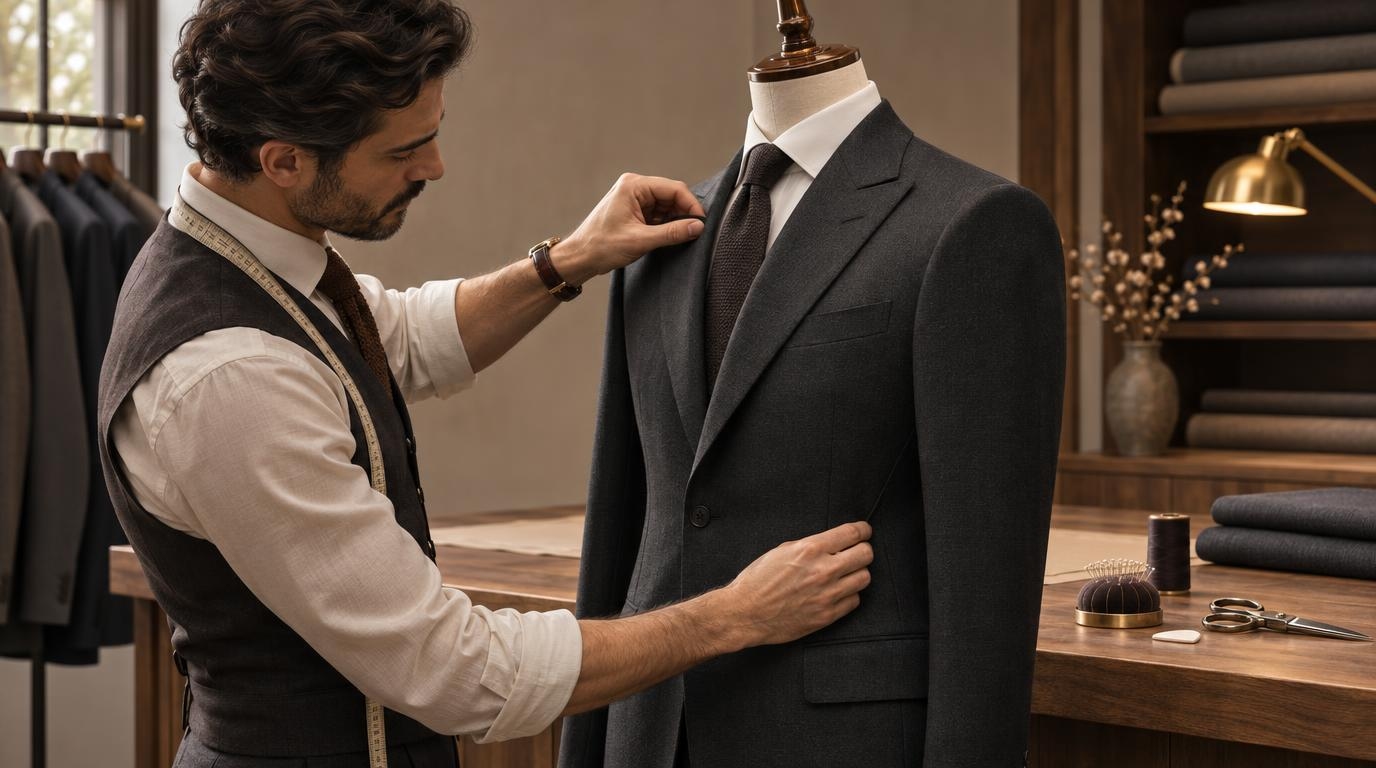
A suit that works for an interview, a client meeting, a graduation and a wedding needs more than a fashionable outline. It should sit cleanly at the shoulders, close without strain, keep its balance during a commute and remain comfortable through a long day.
In Northridge, a suit may move from a warm car to an air-conditioned office or event space. That change makes comfort and layering part of the fitting. A jacket pinned tightly over a thin T-shirt may not work over the dress shirt and undershirt worn on the actual day.
At Northridge Cleaners, hems, waistbands, sleeves, zippers and resizing are handled on site, with fittings by appointment. Bring the complete suit and the pieces you will wear with it so the tailor can evaluate proportion rather than one measurement in isolation.
Northridge Fit Priorities for Work and Events
For a versatile work suit, prioritize clean shoulders, a stable collar and enough room through the chest and seat for normal movement. A fashionable taper is useful only when pockets stay flat and the wearer can sit comfortably.
If the suit will be worn to interviews or presentations, bring the dress shirt and shoes used for those occasions. Sleeve and trouser length can look different with another cuff, heel or sole thickness.
For summer events, discuss the lightest shirt and underlayer likely to be worn, but do not fit the jacket so tightly that perspiration, ordinary posture changes or a meal create pulling at the button.
Students and professionals near CSUN may want one suit to cover several uses. A moderate trouser break, balanced jacket waist and conventional sleeve length usually adapt more easily than an extreme cropped or ultra-slim fit.
What a Well Tailored Suit Should Do
A good fit looks balanced before it looks tight. The jacket collar follows the shirt collar, the shoulder line ends near the wearer’s natural shoulder, the lapels lie flat and the front closes without an X-shaped pull at the button. The jacket hem appears level from the side when the wearer stands naturally.
The trousers sit at their intended rise without needing constant adjustment. The waistband stays in place, the pockets remain flat, the seat looks smooth without sagging or pulling, and the crease falls toward the shoe instead of twisting around the leg.
Comfort is part of fit. The wearer should be able to sit, walk, reach forward and place a phone or wallet in the usual pocket. A suit is not activewear, but it should not require a rigid pose to look correct.
What to Bring to the First Fitting
- The complete jacket trousers and vest if the suit includes one
- The dress shirt and undershirt planned for the occasion
- The actual shoes or another pair with the same sole and heel height
- The belt or suspenders that will hold the trousers at the intended rise
- Any tie cummerbund overcoat or accessory that affects proportion
- A written event date travel date or production call time
- Notes about posture comfort old injuries or range of motion concerns
- Reference photos only when they show a realistic fit for a similar body and suit construction
Arrive in normal posture. Do not pull the stomach in, lift the chest unusually high or push the shoulders back for the entire fitting. The tailor needs to see how the suit falls when the wearer is relaxed.
Empty the pockets, then explain what will normally be carried. A phone, wallet or keys can change the hang of slim trousers. The tailor can decide whether extra room or a different pocket choice is more practical.
Start With the Jacket Shoulders and Collar
Shoulder Width
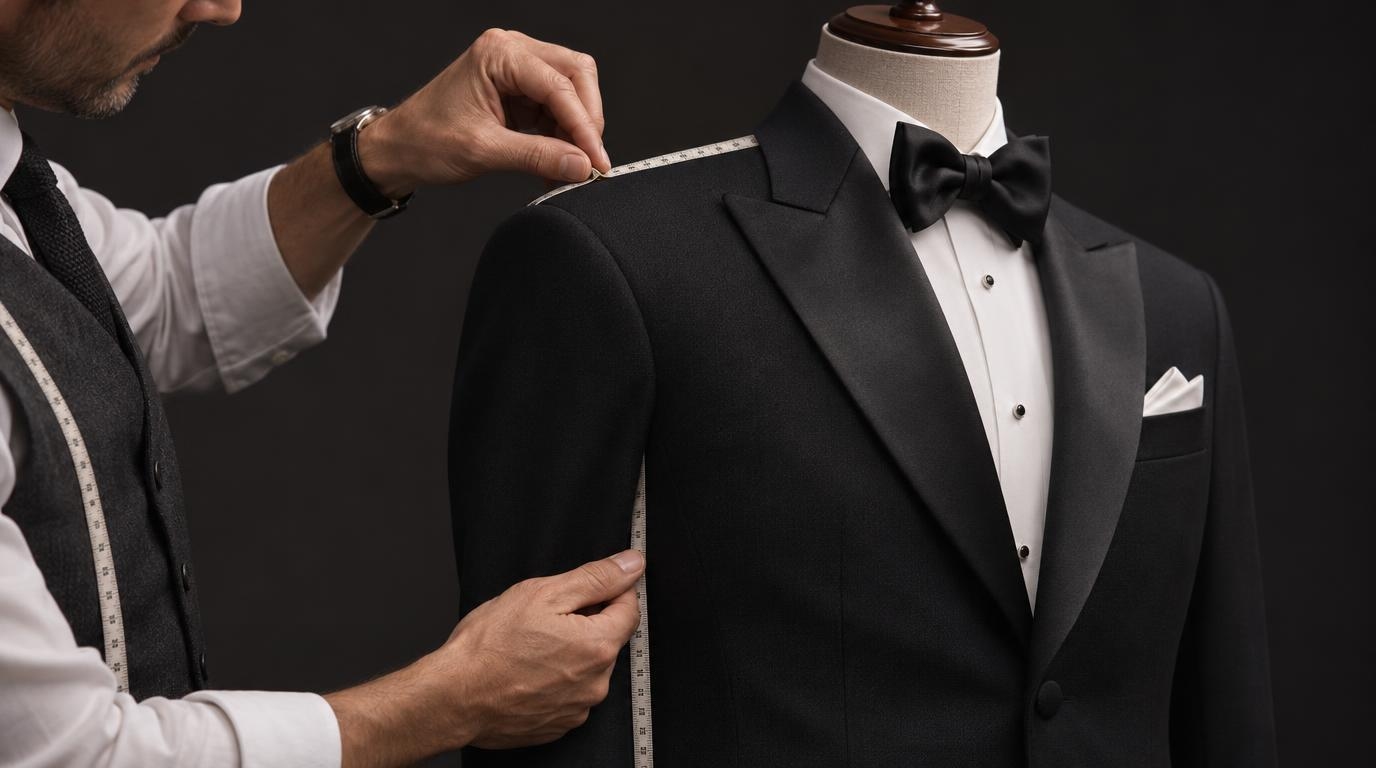
The shoulder is the first checkpoint because it anchors the sleeve and upper body. Too wide can create a dent or collapse beyond the natural shoulder. Too narrow can pull across the upper back and restrict the armhole.
Shoulder alteration may be technically possible on some jackets, but it is major structural work. It can involve the sleeve head, padding, canvas or fused layers and pattern balance. The cost and risk may exceed the value of altering an otherwise incorrect jacket, so inspection comes before a promise.
Collar and Upper Back
A collar that stands away from the neck, rolls below the collar or creates horizontal folds may point to posture, shoulder slope or back-length differences. The solution is not always simply tightening the collar. The tailor should diagnose where the excess or tension begins.
Chest and Lapels
With the jacket buttoned, the lapels should rest cleanly instead of bowing away from the chest. A small amount of waist suppression can sharpen the outline, but taking in too much may distort the vents, pull the button and reduce useful pocket room.
Jacket Alterations That Change the Silhouette
Taking In or Letting Out the Body
A jacket may be shaped through side seams, back seams or both, depending on its construction. Letting out is limited by the seam allowance left inside. Chalk marks, old needle holes and a different fabric shade may remain where material was previously folded.
The tailor must keep the front edge, button position, pockets and vents balanced. Removing the same amount everywhere is rarely the right answer because the chest, waist and seat of the jacket interact differently.
Sleeve Length and Sleeve Pitch
Sleeve length is judged with the correct shirt. A common goal is a modest amount of shirt cuff, but the exact reveal depends on personal style, arm length and the shirt cuff itself. Both sleeves should be measured because many people stand with one shoulder lower.
Sleeves can be shortened from the cuff when the button arrangement and available fabric allow. Functional buttonholes or elaborate cuff details may require shortening from the shoulder, which is more involved. Diagonal wrinkles can also indicate sleeve pitch rather than length.
Jacket Length Vents and Button Position
Shortening a jacket can disturb pocket placement, vent proportion, front curvature and button balance. Only a limited reduction may look natural. Lengthening is usually restricted by the original hem allowance and any permanent crease or fading.
Vents should hang closed and straight. If they flare, the jacket may need more room through the seat or a different balance adjustment. Sewing the vents shut treats the symptom and can make sitting and movement worse.
Trouser Alterations from Waist to Hem
Waist Seat and Rise
The waistband should stay at the chosen height without a belt doing all the work. Taking in or letting out the waist may also require shaping through the seat so the center back does not sag, pull or create a sharp wedge.
The rise controls where the crotch sits and how the trousers relate to the torso. A rise that is fundamentally too short is difficult to correct because extra fabric is rarely available. Lowering a waistband or changing the crotch curve can affect pockets, the fly and overall balance, so these are not routine promises.
Thigh Knee and Taper
A taper should follow the leg without grabbing the thigh, twisting the crease or catching on the calf. The wearer should sit and climb a step during the fitting. If the pockets open or horizontal wrinkles appear, the trousers may be too narrow or the shape may not match the leg.
Taper can be taken from the inseam, outseam or both. Existing stripe patterns, side adjusters and pocket placement may limit the method. Preserve enough seam allowance when future changes are likely.
Hem Break and Cuffs
A full break creates more fabric over the shoe; a half or slight break is cleaner; no break gives a shorter, sharper look. The right choice depends on trouser width, shoe shape, stance and formality rather than one universal rule.
Cuffs add weight and visual structure but need enough fabric. Converting a cuffed hem to plain is usually easier than creating a deep cuff from a short plain hem. Measure each leg separately while wearing the correct shoes.
Vest Fit for Three Piece Suits
A vest should lie close without horizontal strain and should cover the shirt and trouser waistband when standing. The armholes should not gape, and the back adjuster should refine the fit rather than gather a large amount of fabric.
Shortening can change point length, pocket position and button spacing. Taking in the side or back may be limited by the lining and construction. Fit the vest with the trousers at their final rise because lowering the trousers can create an unwanted band of visible shirt.
The Order of Alterations Matters
Start with structural fit: jacket shoulders, collar, upper back and trouser rise. Then establish body shape through the jacket and trousers. Sleeve length, trouser taper and hem follow after the garment sits at the correct level.
Changes can affect one another. Taking in a jacket may alter vent behavior; changing trouser waist can affect the seat; narrowing a leg can change the apparent break. Approving every mark as an isolated measurement can create a technically altered but visually unbalanced suit.
If several substantial changes are required, compare the alteration plan with another suit size, cut or brand before authorizing the work. Tailoring refines a suitable starting garment. It is not always the efficient way to rebuild a suit that is wrong in shoulders, rise and length at the same time.
Off the Rack Made to Measure and Bespoke
Off-the-rack suits are made in standard sizes, then altered. Made-to-measure adjusts an existing base pattern before production. Bespoke generally begins with an individual pattern and more construction choices. These terms describe different starting processes, not a guarantee that one final fit will automatically suit every wearer.
Alteration is usually the practical choice when the shoulders and rise are already close and the remaining work involves waist, sleeve, taper or hem. A different size or custom route may make more sense when the jacket structure and trouser proportions both require major reconstruction.
Wedding Business and Formalwear Decisions
A business suit should support repeated wear, sitting and travel. Avoid fitting it only for a dramatic standing pose. A wedding suit may place more emphasis on coordinated sleeve reveal, trouser break and photographs, but it still needs room for the ceremony and reception.
Tuxedo details such as satin lapels, covered buttons, braid, side adjusters and formal trouser hems require careful handling. Matching replacement trims may not be available. Vintage suits may have weaker cloth, old alterations or limited seam allowance that changes what is safe.
If several members of a wedding party are being fitted, schedule enough time for individual adjustments and a group standard. The goal is consistent proportion, not identical measurements.
Cleaning Pressing and Tailoring Sequence
Keep the original care label attached. It identifies the manufacturer’s care instructions, while the cleaner and tailor still need to inspect fiber, lining, interfacing, stains and construction.
A heavily soiled suit should be evaluated before fitting because stains, odor or fabric damage may affect whether alteration is worthwhile. On the other hand, repeated unnecessary cleaning after every fitting is not the goal.
Ask the shop to coordinate the order. Tailoring is normally completed before the final professional cleaning or pressing when construction work will create handling marks or disturb the finish. Stain treatment, damaged cloth or shrinkage risk can justify a different sequence.
Do not press over chalk, pins or temporary basting at home. Excess heat can create shine, flatten seam allowances or affect fused jacket layers.
Timing Cost and Rush Work
Timing depends on the number of garments, complexity, fittings, parts, current workload and whether cleaning or pressing is included. A trouser hem and a shoulder reconstruction do not belong to the same time category.
Bring the suit well before travel or the event and keep a buffer after the expected completion date. A second fitting may reveal a necessary refinement, and a final pickup should happen early enough to wear the complete outfit at home.
Cost should follow inspection and a written scope. Ask which alterations are essential, which are optional style preferences and which carry appearance or durability risks. Rush availability and charges should be confirmed only after the shop accepts the work.
Final Fitting and Pickup Checklist
- Wear the intended shirt shoes and trouser support
- Button the jacket and check the collar lapels waist and vents
- Look at front side and back views in natural posture
- Confirm both sleeve lengths and the amount of visible shirt cuff
- Check waistband seat pockets crease taper and hem on both legs
- Sit walk reach forward and climb a step if the occasion requires it
- Inspect stitching buttons lining pockets and any retained seam allowance
- Confirm cleaning pressing garment bag and ready date details before leaving
Speak up during the final fitting if something feels different from the pinned version. A tailor can evaluate a specific pull, wrinkle or comfort issue more effectively while the suit is on the wearer than after it returns to the closet.
How to Care for a Tailored Suit
Empty pockets after wear, let the suit air in a ventilated space and use a broad hanger that supports the shoulder. Brush away loose surface dust with a suitable garment brush and avoid crowding the jacket between tight hangers.
Rotate suits when possible so the fibers and creases can recover. Spot-cleaning with water, alcohol or household stain remover can spread a mark or affect color and finish. Blot a fresh spill and arrange professional assessment.
Have loose buttons, open seams and worn pocket edges addressed early. Small damage can grow when the suit is pulled on, carried in a bag or worn through another long day.
Frequently Asked Questions About Suit Tailoring
How much can a suit jacket be taken in
The amount depends on the side and back seams, pocket and vent placement, front balance and the wearer’s chest and seat. A tailor must pin the jacket and check that shaping the waist will not distort the lapels, button or vents.
Can suit shoulders be altered
Sometimes, but shoulder work is a major alteration involving the sleeve head and jacket structure. It can be costly and may change balance, so a different size or cut may be the better starting point.
How long should suit sleeves be
Sleeves are normally set to show a modest amount of shirt cuff, but the final choice depends on arm length, shirt cuff, style and posture. Measure both arms while wearing the intended shirt.
What trouser break should I choose
A slight or half break is versatile for many suits, while no break looks sharper and a full break looks more traditional. Trouser width, footwear and stance should guide the decision.
Can a suit be let out
A suit can be let out only where enough seam allowance remains and the old fold has not left unacceptable fading or needle marks. The tailor needs to inspect each seam rather than estimate from the outside.
How many fittings will I need
Simple work may need an initial fitting and pickup check. Complex jacket, trouser or formalwear changes may need one or more intermediate fittings. The number is confirmed after the scope is known.
Should I clean a suit before or after alterations
The shop should choose the sequence after inspecting soil, stains, fabric and the alteration plan. Final cleaning or pressing often follows tailoring, but significant soil or condition issues may need attention first.
How long does suit tailoring take
Timing depends on the alterations, fittings, materials and current workload. Tell Northridge Cleaners the real wear date, then rely on the ready time confirmed after the complete suit is inspected.
Suit Tailoring at Northridge Cleaners
Northridge Cleaners provides alterations and tailoring for suits, tuxedos and other garments in Northridge. The fit, construction, available seam allowance, condition, price and timing are confirmed after inspection and fitting.
Review the full service information or use the Northridge Cleaners contact page to arrange a fitting. If transport is part of the plan, check pickup and delivery and confirm whether fitting appointments still require an in-person visit.
Call Northridge Cleaners at (818) 886-1002 to arrange a suit fitting.